Potable water
Potable water (or drinking water) is produced in municipal water treatment plants from surface water or groundwater. In these natural water sources, organic contaminants are presents. They can cause taste and odor problems, and/or can be harmful to human health: either directly, or as precursors in the formation of disinfection byproducts (DBPs). Adsorption of many organic contaminants by activated carbon has proven to be the most effective and cost-efficient technology.
Our comprehensive range of NORIT® granular and powdered activated carbons effectively remove:
- Disinfection by-products (DBP), e.g. trihalomethanes (THM), bromate
- Natural organic matter (NOM) that causes taste and odor, e.g. geosmin, 2-MIB
- Persistent organic pollutants (POP), e.g. PCBs, dioxins, pesticides
- Per- and polyfluoroalkyl substances (PFAS), e.g. PFOA, PFOS
- Micropollutants, e.g. endocrine-disrupting compounds
Beverage Water
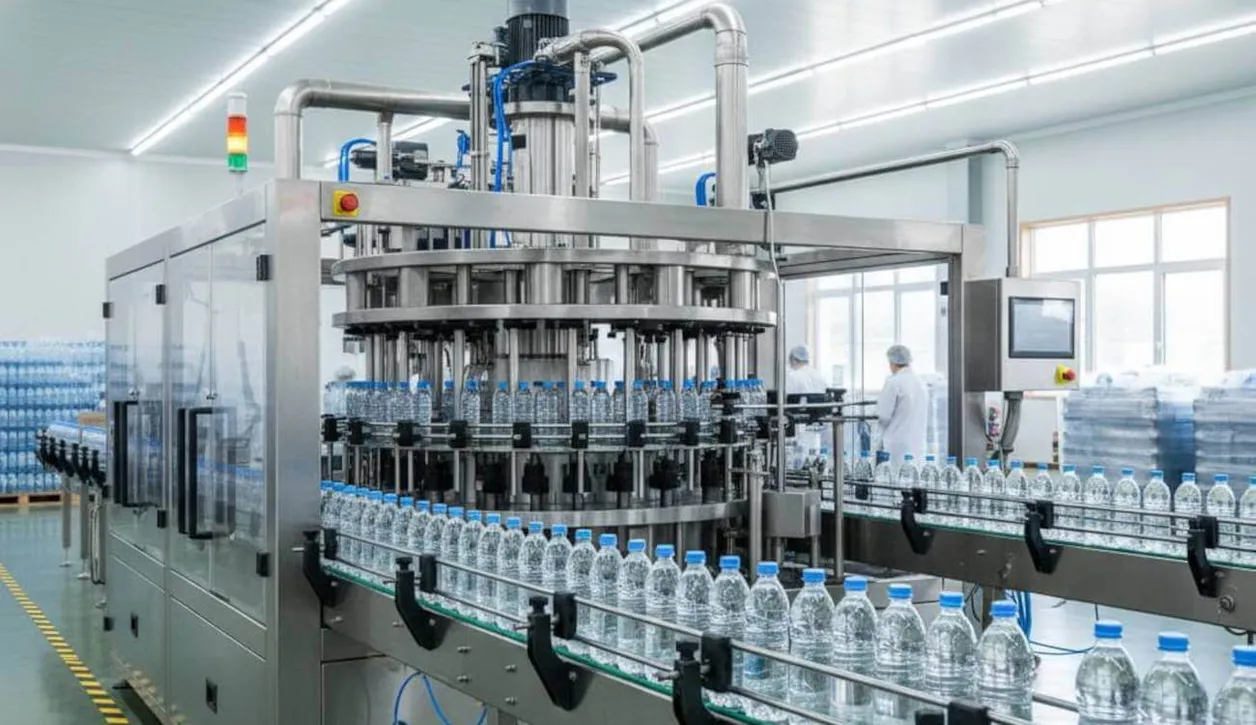
Highest purity beverage water is required anywhere in the world, and NORIT® activated carbon plays an important role in fulfilling this need. Leading producers of soft drinks, bottled water, and mineral water use our grades globally.
NORIT® activated carbons remove:
- Feedwater impurities: humic substances, taste and odor compounds (geosmin, MIB), pesticides and other micropollutants, …
- Disinfectants: chlorine, chloramine, ozone, …
- Disinfection by-products, notably trihalomethanes.
To achieve this optimally, we provide:
- Pore structures tailored to cope with all challenges
- High hardness to deal with the mechanically weakening effects of disinfectants (oxidants) and steam sanitizations
- High purity grades to reach inorganic impurity requirements easily
- An innovative pH stabilized grade to allow carbon filter startup minimal water use
- Grades with various densities and particle size distributions to fit existing filter and backwash systems
Industrial Water
High purity water or ultrapure water is required by various industries, such as microelectronics, pharmaceutical, chemical, and oil and gas. In the water treatment plants, the feed water goes through an extensive treatment process to remove solids, dissolved organics and inorganics. The activated carbon step is an integral part of the water treatment process to remove dissolved organics and oxidants, and also serves to protect downstream equipment from damage and fouling.
Our NORIT® granular and extruded activated carbons effectively remove:
- Chlorine and chloramine
- Hydrogen peroxide and ozone
- Organic contaminants, from the water source or disinfection by-products
Steam Condensate
Steam condensate in refineries and power plants, is reused in high pressure steam boilers to conserve resources and energy. When steam goes through process equipment, it is potentially contaminated with lubricants, mineral oil fractions, or other dissolved organics. These organics end up in the condensate and could cause coking and scaling in the boiler.
NORIT® activated carbon is used to remove the organic contaminants. It is a key component in the condensate polishing unit, helping to maintain proper water quality for boiler usage.
Low silica leaching of activated carbon is a critical property to protect downstream ion exchangers and prevent silica deposits on the steam turbines.
Wastewater
Wastewater treatment plants often deploy activated carbon to achieve a purification level that allows the treated water to be discharged into environmental water bodies.
In municipal wastewater, activated carbon is highly effective to remove micropollutants.
In industrial wastewater and landfill leachate, activated carbon enhances the reduction of global organic impurities measured as chemical oxygen demand (COD). It is also deployed to remove specific (poorly or non-biodegradable) organic contaminants, including again micropollutants.
Our comprehensive range of NORIT® granular and powdered activated carbons effectively remove:
- Organic impurities (COD)
- AOX (Adsorbable Organic Halides)
- Micropollutants, e.g. pharmaceutical and personal care residues, pesticides, endocrine disrupting compounds
- Aromatic compounds, e.g. BTEX (benzene, toluene, ethylbenzene and xylene), phenol
- Colors
- Odors